Internet shut in Leh after Wangchuk held
Leh faces mobile internet blackout following activist Sonam Wangchuk’s detention
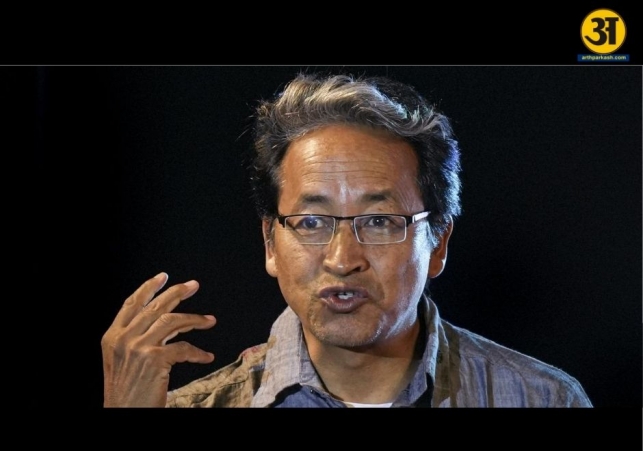
The Leh administration suspended mobile internet services on Friday, following the arrest of climate activist and innovator Sonam Wangchuk. The 59-year-old activist was taken into custody in connection with the recent violence in Ladakh that occurred on Wednesday. The unrest resulted in four deaths and left several people injured, prompting authorities to take strict measures to maintain law and order.
Sonam Wangchuk is known for his work in education and climate activism, as well as for advocating reforms in Ladakh. In recent weeks, he had led protests demanding statehood for the union territory of Ladakh and for its inclusion in the Sixth Schedule of the Indian Constitution, which provides special protections and autonomy to certain regions.
The administration stated that the internet suspension was necessary to prevent the spread of misinformation and maintain peace in the region. Security forces have been deployed to patrol sensitive areas, and officials are keeping a close watch on public gatherings.
Arrest and government actions
Wangchuk’s arrest came amid ongoing tensions in Ladakh. The authorities linked him to the protests that turned violent, although Wangchuk has denied any role in instigating the unrest. He has criticised the government’s move as a “scapegoat tactic”, saying that he is being unfairly targeted for political reasons.
Speaking to PTI, Wangchuk said, "To say it was instigated by me, or sometimes by Congress, is to find a scapegoat, rather than addressing the core of the problem, and this will lead us nowhere. They may be clever in making somebody else a scapegoat, but they are not wise. At this time, we all need wisdom rather than cleverness because youths are already frustrated."
The arrest is not the only government action against Wangchuk. On Thursday, the Ministry of Home Affairs (MHA) cancelled the foreign funding licence of the Students' Educational and Cultural Movement of Ladakh (SECMOL), a non-governmental organisation founded by Wangchuk. The MHA said the NGO had received foreign funds in cash, which violated Section 17 of the Foreign Contribution (Regulation) Act (FCRA).
According to the ministry, Rs 3.35 lakh was received as foreign donations from Wangchuk but was not properly recorded in the FCRA account, violating Section 18 of the Act. The cancellation of the licence has raised concerns among Wangchuk’s supporters, who see it as part of a larger attempt to suppress his activism.
Wangchuk’s protest and demands
Sonam Wangchuk has long advocated for greater autonomy and development in Ladakh. After the union territory was created in August 2019, following the abrogation of Article 370 in Jammu and Kashmir, Wangchuk and other activists demanded statehood for Ladakh to ensure better governance and rights for its residents.
He also wants Ladakh to be included in the Sixth Schedule of the Constitution, which would provide the region with special protections, financial autonomy, and authority over local laws and resources. Wangchuk believes this step is necessary to address the grievances of the local population and to promote sustainable development.
Despite the arrest and the cancellation of SECMOL’s FCRA licence, Wangchuk has said he is prepared to face jail time if necessary. “I am ready to go to jail. The central government may build a case against me and imprison me for a couple of years, but I will continue to fight for the rights of Ladakh,” he told PTI.
The ongoing unrest and government crackdown have highlighted wider frustrations among the youth in Ladakh, who are concerned about limited job opportunities, lack of infrastructure, and political representation. Wangchuk’s supporters argue that targeting activists will not solve these problems but may instead worsen tensions in the region.
Authorities in Ladakh have said they are working to restore normalcy while ensuring the safety of residents. Security forces, including police and paramilitary personnel, have been deployed to maintain law and order, and mobile internet services remain suspended to prevent rumours and false information from spreading.
ALSO READ: Why Indian elections face fairness challenges despite being largely free
ALSO READ: BJP names Dharmendra Pradhan to lead Bihar election campaign
Wangchuk’s arrest has drawn attention nationally, with debates around citizens’ right to protest, freedom of expression, and regional autonomy. While the government cites law and order concerns, many human rights groups and activists believe that the central government should engage in dialogue with local leaders to address the root causes of unrest rather than relying solely on arrests and restrictions.
In the coming days, attention will focus on whether Wangchuk will be released on bail and how the administration plans to handle protests and public unrest in Ladakh. The situation also raises questions about balancing security and democratic rights, particularly in regions with unique cultural and political challenges like Ladakh.
For now, Ladakh remains under heightened security, with internet services restricted, patrols in place, and ongoing investigations into the recent violence. Wangchuk continues to call for wisdom and dialogue, stressing that scapegoating activists will not solve the long-standing issues facing the union territory.
Related News